
When it comes to roofing materials, homeowners are presented with a plethora of options, each with its unique characteristics, advantages, and disadvantages. The most common types include asphalt shingles, metal roofing, wood shakes, clay tiles, and slate. Asphalt shingles are perhaps the most popular choice in North America due to their affordability and ease of installation.
They come in a variety of colors and styles, allowing homeowners to customize their roofs to match their home’s aesthetic. However, while they are cost-effective, they typically have a shorter lifespan compared to other materials, often lasting around 15 to 30 years. Metal roofing has gained traction in recent years for its durability and energy efficiency.
Available in various materials such as aluminum, steel, and copper, metal roofs can last upwards of 50 years or more with proper maintenance. They are also resistant to extreme weather conditions, making them an excellent choice for areas prone to heavy snowfall or high winds. On the other hand, wood shakes offer a natural aesthetic that appeals to many homeowners seeking a rustic look.
However, they require more maintenance than other materials and can be susceptible to rot and insect damage if not properly treated. Clay tiles and slate are often seen in Mediterranean or historic homes due to their timeless appeal and longevity. While they can last over 100 years, their weight requires a sturdy roof structure and can significantly increase installation costs.
The climate in which a home is located plays a crucial role in determining the most suitable roofing material. For instance, in regions that experience heavy rainfall or snow, materials like metal roofing or asphalt shingles with a high wind rating may be more appropriate due to their water-shedding capabilities. Metal roofs are particularly advantageous in snowy areas as their smooth surface allows snow to slide off easily, reducing the risk of ice dams forming.
Conversely, in hot climates, reflective roofing materials can help reduce cooling costs by reflecting sunlight away from the home. This is where materials like light-colored metal or specially coated asphalt shingles come into play. In addition to precipitation and temperature, wind resistance is another critical factor to consider.
Areas prone to hurricanes or tornadoes require roofing materials that can withstand high winds. For example, certain types of metal roofing are designed to resist uplift forces better than traditional shingles. Furthermore, homes located in regions with extreme temperature fluctuations may benefit from materials that can expand and contract without cracking or breaking.
Understanding these climatic influences is essential for selecting a roofing material that will not only protect the home but also enhance its energy efficiency.
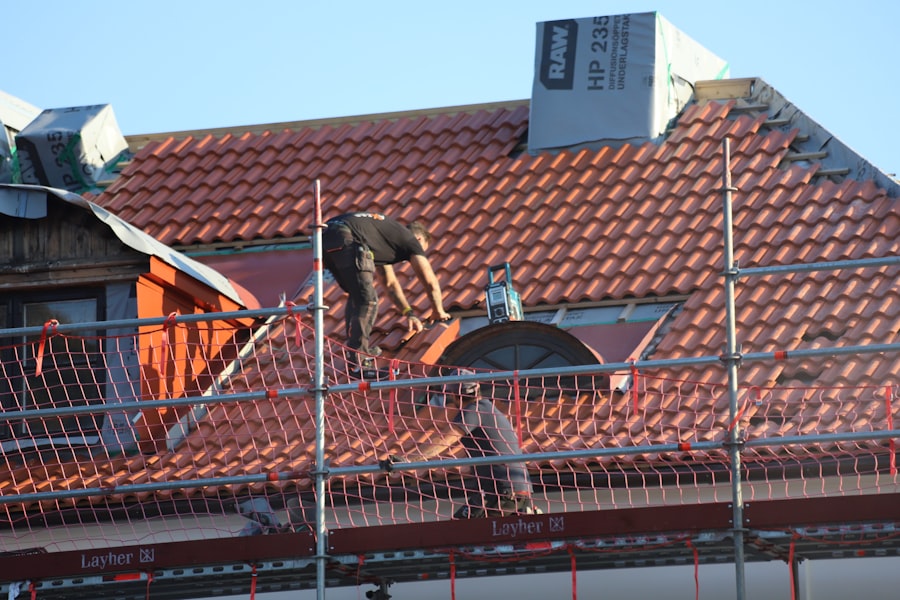
A roof is not merely a protective covering; it significantly contributes to the overall aesthetic appeal of a home. The choice of roofing material can dramatically influence the architectural style and curb appeal of a property. For instance, clay tiles are often associated with Mediterranean-style homes and can add a touch of elegance and sophistication.
Their vibrant colors and unique shapes create visual interest that can elevate the entire façade of a house. Similarly, slate roofs exude luxury and timelessness, making them a popular choice for historic homes or upscale properties. On the other hand, asphalt shingles offer versatility in design, available in various colors and textures that can mimic more expensive materials like wood or slate at a fraction of the cost.
Homeowners looking for a modern aesthetic might opt for standing seam metal roofs, which provide a sleek and contemporary look while also being functional. The aesthetic appeal of roofing materials extends beyond color and texture; it also encompasses how well the roof integrates with other architectural elements such as siding, windows, and landscaping. Therefore, when selecting roofing materials, it is essential to consider not only personal taste but also how the chosen material will harmonize with the overall design of the home.
Longevity is a critical factor when choosing roofing materials, as it directly impacts long-term costs and maintenance efforts. Asphalt shingles typically have a lifespan of 15 to 30 years, depending on the quality and installation methods used. While they are affordable upfront, homeowners may find themselves replacing them more frequently than other materials.
In contrast, metal roofs can last 50 years or more with minimal maintenance, making them an attractive option for those looking for durability. Their resistance to rust and corrosion further enhances their longevity, especially when treated with protective coatings. Wood shakes can last anywhere from 20 to 40 years but require regular maintenance to prevent issues such as rot or insect infestation.
Homeowners must be diligent about inspections and treatments to ensure their longevity. Clay tiles and slate roofs stand out for their exceptional durability; both can last over 100 years when properly installed and maintained. Their natural resistance to fire and pests adds to their appeal as long-term investments.
When evaluating roofing materials based on longevity and durability, it is essential to consider not only the material itself but also the local environment and potential wear factors that could affect its lifespan.
| Roofing Material | Average Lifespan (Years) | Cost Range | Durability | Energy Efficiency | Maintenance Requirements | Best Climate |
|---|---|---|---|---|---|---|
| Asphalt Shingles | 15-30 | Low to Medium | Moderate | Moderate | Low | Temperate |
| Metal Roofing | 40-70 | Medium to High | High | High | Low | All Climates |
| Clay Tiles | 50-100 | High | High | High | Low | Hot and Dry |
| Wood Shingles/Shakes | 20-40 | Medium | Moderate | Low | High | Dry Climates |
| Slate | 75-200 | High | Very High | High | Low | All Climates |
| Concrete Tiles | 50-75 | Medium to High | High | High | Low | Hot and Humid |
Cost is often one of the most significant considerations when selecting roofing materials. Asphalt shingles are generally the most budget-friendly option available, making them an attractive choice for homeowners looking to minimize upfront expenses. However, while they may save money initially, their shorter lifespan means that replacement costs can accumulate over time.
In contrast, while metal roofing may have a higher initial cost—often two to three times that of asphalt shingles—their longevity and low maintenance requirements can make them more economical in the long run. Wood shakes present a unique cost dynamic; while they may be less expensive than slate or clay tiles initially, their maintenance needs can lead to higher long-term costs. Regular treatments for rot prevention and inspections are necessary to ensure their durability.
Clay tiles and slate roofs typically come with higher upfront costs due to their weight and installation complexity but offer minimal maintenance requirements once installed correctly. Homeowners should weigh these factors carefully when budgeting for a new roof, considering both initial costs and potential long-term expenses associated with maintenance and replacement.
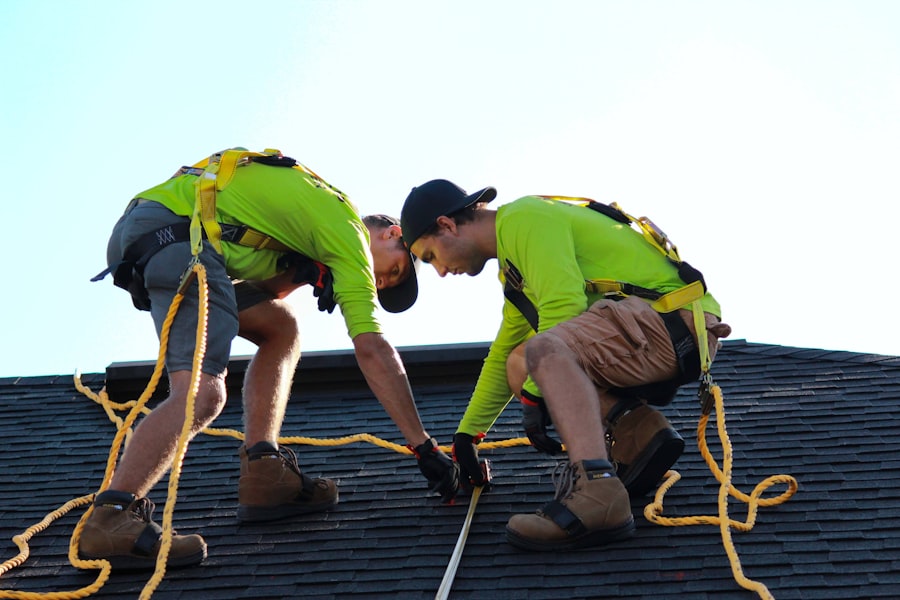
Engaging with a professional roofing contractor is an essential step in the roofing selection process. These experts bring invaluable knowledge about local building codes, weather conditions, and material performance that can guide homeowners toward making informed decisions. A reputable contractor will conduct a thorough assessment of the existing roof structure and provide recommendations based on the specific needs of the home and its environment.
They can also help navigate the complexities of installation processes for different materials, ensuring that homeowners understand what to expect during the project. Moreover, professional contractors often have established relationships with suppliers, which can lead to cost savings on materials as well as access to warranties that may not be available to individual homeowners purchasing materials independently. They can also provide insights into emerging trends in roofing technology or materials that may offer enhanced performance or aesthetic appeal.
By consulting with professionals who have experience in various roofing options, homeowners can gain confidence in their choices and ensure that their investment will stand the test of time.
Before embarking on any roofing project, it is crucial for homeowners to familiarize themselves with local building codes and regulations that may impact their choices. These codes often dictate specific requirements regarding material types, installation methods, and even aesthetic considerations based on neighborhood guidelines or historical preservation standards. For instance, some areas may have restrictions on using certain materials due to fire safety concerns or environmental regulations aimed at promoting sustainability.
Additionally, understanding local codes can help homeowners avoid potential fines or complications during inspections after installation. Engaging with local building authorities or consulting with a knowledgeable contractor can provide clarity on these regulations. This research ensures that homeowners select roofing materials that comply with local standards while also meeting their personal preferences for style and functionality.
Ultimately, selecting the right roofing material involves a careful balance of various factors including climate considerations, aesthetic preferences, longevity expectations, cost analysis, professional guidance, and regulatory compliance. Each homeowner’s situation is unique; therefore, what works for one property may not be suitable for another. By taking the time to thoroughly research each aspect—understanding different types of materials available in the market while considering local weather patterns—homeowners can make informed decisions that align with both their immediate needs and long-term goals.
In this process of decision-making, it is essential to prioritize personal values alongside practical considerations. Whether prioritizing sustainability through eco-friendly materials or focusing on aesthetics that enhance curb appeal, each choice contributes to the overall satisfaction with the final outcome. By approaching this significant investment thoughtfully and comprehensively, homeowners can ensure that their new roof not only protects their home but also enhances its beauty and value for years to come.