
When it comes to roofing materials, homeowners are presented with a plethora of options, each with its own unique characteristics, advantages, and disadvantages. The most common types include asphalt shingles, metal roofing, wood shakes, clay tiles, and slate. Asphalt shingles are perhaps the most popular choice in North America due to their affordability and ease of installation.
They come in a variety of colors and styles, allowing homeowners to customize their roofs to match their home’s aesthetic. However, while they are cost-effective, they typically have a shorter lifespan compared to other materials, often lasting around 15 to 30 years. Metal roofing has gained traction in recent years due to its durability and energy efficiency.
Available in materials such as aluminum, steel, and copper, metal roofs can last upwards of 50 years with proper maintenance. They are also resistant to extreme weather conditions, making them an excellent choice for areas prone to heavy snowfall or high winds. On the other hand, wood shakes offer a rustic charm that appeals to many homeowners.
Made from cedar or redwood, these roofs can last 30 years or more if properly maintained. However, they require regular upkeep to prevent rot and insect damage, which can be a drawback for some.
The climate in which a home is located plays a crucial role in determining the most suitable roofing material. For instance, in regions that experience heavy rainfall or snow, materials like metal or slate may be more appropriate due to their superior water-shedding capabilities. Metal roofs are particularly effective in shedding snow, preventing the accumulation that can lead to ice dams and leaks.
Conversely, in areas with high temperatures and intense sunlight, reflective roofing materials can help reduce cooling costs by reflecting solar energy away from the home. Additionally, homeowners in hurricane-prone areas should consider roofing materials that can withstand high winds. For example, concrete tiles and metal roofs are often recommended for their ability to resist wind uplift.
In contrast, lighter materials like asphalt shingles may be more susceptible to damage during severe storms. Understanding the local climate and weather patterns is essential for making an informed decision about roofing materials that will not only protect the home but also enhance its longevity.
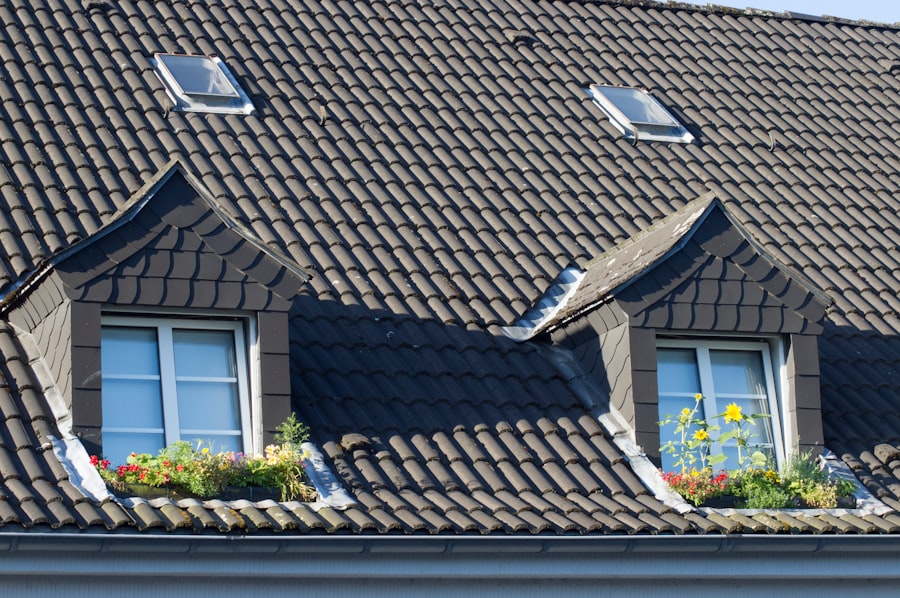
A roof is not just a protective barrier; it also significantly contributes to the overall aesthetic appeal of a home. The choice of roofing material can dramatically influence the architectural style and curb appeal of a property. For instance, clay tiles are often associated with Mediterranean or Spanish-style homes, providing a distinctive look that enhances the character of these structures.
Similarly, slate roofs exude elegance and sophistication, making them a popular choice for historic homes or those aiming for a classic appearance. On the other hand, asphalt shingles offer versatility in design and color options, allowing homeowners to achieve various looks without breaking the bank. They can mimic the appearance of more expensive materials like wood or slate while providing a more budget-friendly solution.
Metal roofing has also evolved in terms of aesthetics; modern designs come in various colors and finishes that can complement contemporary architecture. Ultimately, the aesthetic appeal of roofing materials should align with the homeowner’s vision for their property while considering neighborhood trends and styles.
Durability is a critical factor when selecting roofing materials, as it directly impacts maintenance costs and the frequency of replacements. Metal roofs are renowned for their resilience; they are resistant to rust, corrosion, and extreme weather conditions. This durability translates into a longer lifespan compared to traditional asphalt shingles, which may require replacement every 15 to 30 years depending on the quality and local climate conditions.
Slate roofs are among the most durable options available, often lasting over a century with proper care. Their natural stone composition makes them impervious to rot and insect damage, although they can be more expensive upfront. Wood shakes, while aesthetically pleasing, require more maintenance to ensure longevity; they are susceptible to rot and insect infestations if not treated properly.
Homeowners must weigh the initial investment against long-term durability when choosing roofing materials to ensure they select an option that meets their needs.
| Roofing Material | Average Lifespan (Years) | Cost Range | Durability | Energy Efficiency | Maintenance Requirements | Best Climate |
|---|---|---|---|---|---|---|
| Asphalt Shingles | 15-30 | Low to Medium | Moderate | Moderate | Low | Temperate |
| Metal Roofing | 40-70 | Medium to High | High | High | Low | All Climates |
| Clay Tiles | 50-100 | High | High | High | Low | Hot and Dry |
| Wood Shingles/Shakes | 20-40 | Medium | Moderate | Moderate | High | Dry Climates |
| Slate | 75-200 | High | Very High | High | Low | All Climates |
| Concrete Tiles | 50-75 | Medium to High | High | High | Low | Hot and Humid |
Budgeting for a new roof involves more than just the cost of materials; it also includes labor costs, potential permits, and any necessary structural reinforcements. Asphalt shingles are typically the most affordable option upfront, making them an attractive choice for budget-conscious homeowners. However, it’s essential to consider long-term costs associated with maintenance and replacement when evaluating overall affordability.
In contrast, while metal roofs may have a higher initial cost, their longevity and low maintenance requirements can make them more economical over time. Homeowners should also factor in potential energy savings associated with reflective roofing materials that can reduce cooling costs during hot months. Additionally, some roofing materials may qualify for tax credits or rebates due to their energy-efficient properties, further influencing budget considerations.
A comprehensive understanding of both initial costs and long-term financial implications is crucial for making an informed decision.
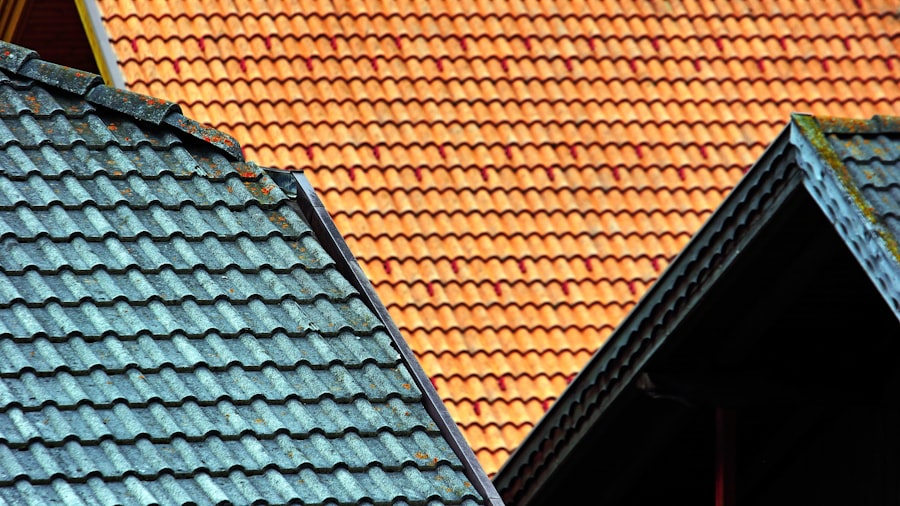
As environmental concerns continue to rise, many homeowners are seeking sustainable roofing options that minimize ecological impact. Metal roofing is often considered one of the most environmentally friendly choices due to its recyclability; at the end of its life cycle, metal roofs can be repurposed rather than ending up in landfills. Additionally, many metal roofing products are made from recycled materials, further reducing their carbon footprint.
Another sustainable option is clay tiles, which are made from natural materials and have a long lifespan that reduces the need for frequent replacements. Furthermore, some manufacturers produce eco-friendly asphalt shingles that incorporate recycled content and are designed to be energy-efficient. Homeowners should consider not only the sustainability of the materials themselves but also their energy efficiency and potential impact on reducing heating and cooling costs over time.
Selecting the right roofing contractor is paramount to ensuring that your chosen roofing material is installed correctly and maintained over its lifespan. A qualified contractor will have experience with various roofing systems and understand local building codes and regulations. It’s advisable to seek out contractors who are licensed and insured to protect against potential liabilities during installation.
Moreover, obtaining multiple quotes can provide insight into fair pricing while allowing homeowners to gauge the professionalism and expertise of different contractors. Checking references and online reviews can also help identify reputable professionals who have a track record of quality work. Once a contractor is selected, establishing clear communication regarding expectations for installation timelines, maintenance schedules, and warranty details is essential for a successful roofing project.
After considering all factors—types of materials available, climate conditions, aesthetic preferences, durability, budget constraints, environmental impact, and contractor selection—homeowners must make an informed decision about their roofing choice. This process often involves balancing personal preferences with practical considerations such as cost-effectiveness and longevity. It’s beneficial for homeowners to visualize how different materials will look on their homes by utilizing design software or consulting with professionals who can provide mock-ups or samples.
Engaging family members in discussions about preferences can also lead to a more satisfying final decision. Ultimately, choosing the right roofing material is not just about immediate needs but also about investing in a solution that will protect the home for years to come while aligning with personal values regarding aesthetics and sustainability.