
A roofing warranty is a formal guarantee provided by manufacturers or contractors that covers the performance and durability of a roofing system over a specified period. This warranty serves as a promise that the materials used in the roofing installation will perform as expected, and if they fail to do so, the manufacturer or contractor will take responsibility for repairs or replacements. Warranties can vary significantly in terms of coverage, duration, and conditions, making it essential for property owners to understand the specifics of their warranty agreements.
Typically, roofing warranties are divided into two main categories: material warranties and workmanship warranties. Material warranties cover defects in the roofing materials themselves, such as shingles, underlayment, or flashing. These warranties often last between 20 to 50 years, depending on the type of material used.
Workmanship warranties, on the other hand, cover the installation process and any issues that may arise due to improper installation. These warranties usually have shorter durations, often ranging from one to ten years. Understanding these distinctions is crucial for homeowners when evaluating their roofing options.
Roofing warranties can be categorized into several types, each offering different levels of protection and coverage. The most common types include manufacturer warranties, contractor warranties, and extended warranties. Manufacturer warranties are provided by the companies that produce roofing materials.
These warranties typically cover defects in materials and may include provisions for replacement if the materials fail prematurely. For instance, a manufacturer might offer a 30-year warranty on asphalt shingles, ensuring that they will not crack or curl under normal conditions. Contractor warranties are issued by the roofing contractor who performs the installation.
These warranties focus on the quality of workmanship and may cover issues arising from improper installation. For example, if a roof leaks due to poor installation techniques within five years of completion, the contractor would be responsible for repairs under their warranty. Extended warranties are additional coverage options that homeowners can purchase to enhance their existing warranties.
These may provide longer coverage periods or additional protections not included in standard warranties, such as coverage for labor costs associated with repairs.
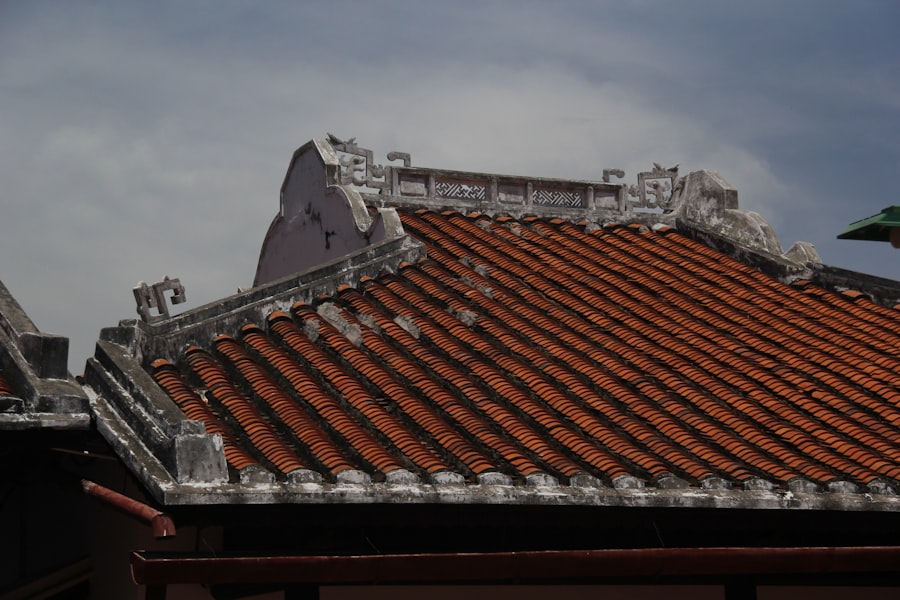
The significance of a roofing warranty cannot be overstated, as it provides homeowners with peace of mind regarding their investment. A roof is one of the most critical components of a home, protecting it from the elements and contributing to its overall structural integrity. A robust warranty ensures that if any issues arise due to material defects or installation errors, homeowners will not bear the financial burden of repairs or replacements.
This assurance is particularly valuable given the high costs associated with roofing projects. Moreover, a solid roofing warranty can enhance the resale value of a property. Prospective buyers often view a transferable warranty as an added benefit, indicating that the roof has been installed correctly and is backed by reliable coverage.
This can make a home more attractive in a competitive real estate market. Additionally, having a warranty in place can facilitate smoother transactions during the sale process, as buyers may feel more confident knowing that they are protected against potential roofing issues.
When evaluating roofing warranties, homeowners should consider several key factors to ensure they select the best option for their needs. First and foremost, it is essential to examine the duration of the warranty. A longer warranty period typically indicates greater confidence in the product’s durability and performance.
Homeowners should also pay attention to what is specifically covered under the warranty. Some warranties may only cover material defects, while others might include labor costs associated with repairs. Another critical aspect to consider is the warranty’s transferability.
If homeowners plan to sell their property in the future, having a transferable warranty can be a significant selling point. It allows new owners to benefit from the existing coverage without starting from scratch. Additionally, homeowners should review any exclusions or limitations outlined in the warranty agreement.
Some warranties may have specific conditions that must be met for coverage to remain valid, such as regular maintenance requirements or restrictions on certain types of repairs.
| Metric | Description | Importance |
|---|---|---|
| Warranty Length | Duration of coverage provided by the roofing warranty (e.g., 10, 20, 30 years) | Longer warranties offer extended protection and peace of mind |
| Coverage Scope | Types of defects and damages covered (material defects, workmanship, leaks) | Comprehensive coverage reduces out-of-pocket repair costs |
| Repair Response Time | Timeframe within which repairs are addressed after a claim | Faster response minimizes damage and inconvenience |
| Transferability | Whether the warranty can be transferred to a new homeowner | Increases property value and buyer confidence |
| Cost Savings | Estimated savings on repairs and replacements over warranty period | Protects investment and reduces unexpected expenses |
| Manufacturer vs. Contractor Warranty | Difference between warranties offered by material manufacturers and roofing contractors | Understanding both helps ensure full coverage |
| Claim Approval Rate | Percentage of warranty claims approved and fulfilled | Higher rates indicate reliable warranty service |
There are several misconceptions surrounding roofing warranties that can lead to confusion among homeowners. One prevalent myth is that all warranties are created equal; however, this is far from the truth. Different manufacturers and contractors offer varying levels of coverage and terms, making it crucial for homeowners to read and understand their specific warranty agreements thoroughly.
Another common misconception is that a warranty guarantees that no issues will arise during its duration. In reality, while warranties provide protection against defects and poor workmanship, they do not cover damage caused by external factors such as severe weather events or lack of maintenance. Another misunderstanding involves the belief that a warranty is automatically valid regardless of how well the roof is maintained.
Many warranties include stipulations requiring homeowners to perform regular maintenance and inspections to keep the warranty active. Failing to adhere to these requirements can void the warranty, leaving homeowners unprotected when issues arise. It is essential for property owners to familiarize themselves with these conditions to avoid unexpected complications down the line.

Maintaining a roofing warranty requires proactive measures on the part of homeowners to ensure compliance with the terms outlined in their agreements. Regular inspections and maintenance are critical components of this process. Homeowners should schedule periodic roof inspections—ideally at least once a year—to identify any potential issues before they escalate into significant problems.
During these inspections, it is essential to check for signs of wear and tear, such as missing shingles, damaged flashing, or accumulated debris. In addition to inspections, homeowners should also keep detailed records of any maintenance performed on their roofs. This documentation can serve as proof of compliance with warranty requirements should any claims need to be filed in the future.
It is advisable to hire qualified professionals for any necessary repairs or maintenance tasks, as using unlicensed contractors could jeopardize warranty coverage. By taking these steps, homeowners can help ensure that their roofing warranties remain valid throughout their roofs’ lifespan.
Making a claim on a roofing warranty involves several steps that homeowners must follow carefully to ensure a smooth process. The first step is to review the warranty agreement thoroughly to understand what is covered and any specific procedures that must be followed when filing a claim. Homeowners should gather all relevant documentation, including proof of purchase, maintenance records, and photographs of any damage or issues with the roof.
Once all necessary information has been compiled, homeowners should contact either the manufacturer or contractor responsible for the warranty coverage. It is essential to communicate clearly about the nature of the issue and provide all requested documentation promptly. Depending on the terms of the warranty, an inspection may be required before any repairs or replacements are authorized.
Homeowners should remain patient during this process, as it may take time for claims to be reviewed and approved.
A roofing warranty can significantly influence property value in various ways. For potential buyers, a transferable warranty serves as an assurance that they will not face unexpected expenses related to roof repairs shortly after purchasing a home. This added layer of security can make a property more appealing compared to similar homes without such coverage.
In competitive real estate markets, having an active roofing warranty can be a decisive factor for buyers weighing multiple options. Furthermore, properties with robust warranties often command higher resale prices than those without them. Buyers are generally willing to pay more for homes that come with guarantees regarding major systems like roofing because it reduces their perceived risk associated with future maintenance costs.
Additionally, having an established history of regular maintenance and inspections can further enhance property value by demonstrating responsible ownership and care for the home’s condition over time. In summary, understanding roofing warranties is crucial for homeowners looking to protect their investments effectively while also enhancing their property’s marketability. By being informed about different types of warranties, their importance, and how to maintain them properly, homeowners can navigate this aspect of homeownership with confidence and clarity.