
Regular roof maintenance is a critical aspect of homeownership that is often overlooked. A well-maintained roof not only enhances the aesthetic appeal of a home but also plays a vital role in protecting the structure from the elements. Roofs are the first line of defense against rain, snow, wind, and sun, and neglecting their upkeep can lead to significant issues down the line.
For instance, a small leak can quickly escalate into a major problem, resulting in water damage, mold growth, and costly repairs. By investing time and resources into regular maintenance, homeowners can prevent these issues and extend the lifespan of their roofs. Moreover, regular maintenance can lead to substantial financial savings.
Many homeowners are unaware that minor repairs, if addressed promptly, can prevent the need for a complete roof replacement. According to the National Roofing Contractors Association (NRCA), routine inspections and maintenance can extend the life of a roof by several years. This proactive approach not only saves money but also provides peace of mind, knowing that the roof is in good condition and capable of withstanding harsh weather conditions.
In essence, regular roof maintenance is an investment in the longevity and integrity of a home.
Identifying common roof problems early can save homeowners from extensive damage and costly repairs. One prevalent issue is the formation of leaks, which can occur due to damaged shingles, flashing, or even improper installation. Homeowners should regularly inspect their roofs for signs of water stains on ceilings or walls, as these can indicate a leak.
Additionally, missing or cracked shingles are telltale signs that a roof may be compromised. A thorough visual inspection from the ground can reveal these issues; however, climbing onto the roof for a closer look may be necessary for a comprehensive assessment. Another common problem is the accumulation of debris, such as leaves, branches, and dirt, which can trap moisture and lead to mold growth or rot.
Homeowners should be vigilant about checking for clogged gutters and downspouts, as these can exacerbate drainage issues and contribute to water pooling on the roof. Furthermore, signs of sagging or unevenness in the roof structure may indicate underlying problems with the support system. Regularly monitoring these aspects can help homeowners catch potential issues before they escalate into more significant concerns.
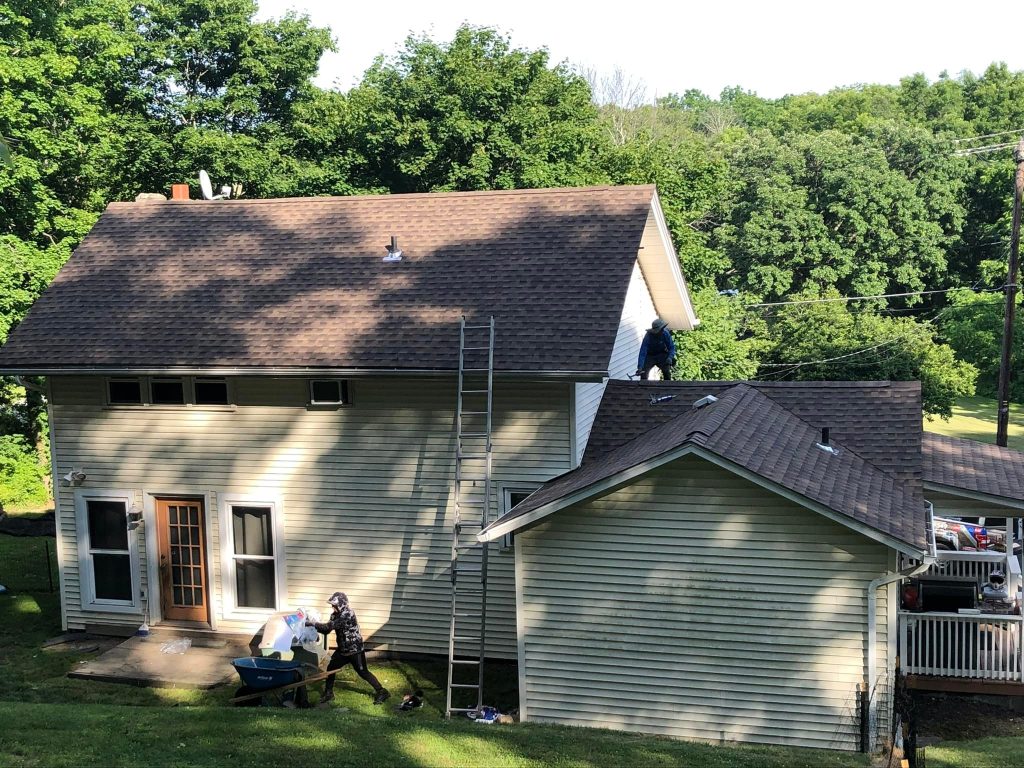
For those who prefer a hands-on approach to home maintenance, there are several DIY tips that can help keep roofs in good condition. First and foremost, safety should be the priority when performing any roof maintenance tasks. Homeowners should invest in proper safety gear, including non-slip shoes, harnesses, and sturdy ladders.
It’s advisable to work with a partner when climbing onto the roof to ensure safety and assistance if needed. One effective DIY maintenance task is cleaning the roof surface. This involves removing debris such as leaves and branches that can trap moisture and promote mold growth.
Homeowners can use a broom or a leaf blower to clear off debris gently. Additionally, inspecting and cleaning gutters and downspouts is crucial for maintaining proper drainage. Clogged gutters can lead to water pooling on the roof, increasing the risk of leaks and structural damage.
Homeowners should remove any debris from gutters and ensure that downspouts direct water away from the foundation of the house.
While DIY maintenance can be beneficial, there are instances when hiring a professional roofer is essential. Professional roofers possess the expertise and experience necessary to identify issues that may not be apparent to an untrained eye. They are equipped with specialized tools and safety equipment that allow them to perform thorough inspections without risking injury.
For example, they can assess the condition of flashing around chimneys and vents or check for hidden leaks that may not be visible from the ground. Moreover, professional roofers can provide valuable insights into the overall health of a roof and recommend appropriate repairs or replacements when necessary. They can also offer warranties on their work, providing homeowners with added peace of mind.
When selecting a roofing contractor, it’s important to research their credentials, read reviews from previous clients, and ensure they are licensed and insured. This diligence helps ensure that homeowners receive quality service and avoid potential scams or subpar workmanship.
| Metric | Description | Recommended Frequency | Typical Cost Range | Importance Level |
|---|---|---|---|---|
| Roof Inspection | Visual and physical check for damage, leaks, and wear | Twice a year (Spring and Fall) | 50 – 200 | High |
| Gutter Cleaning | Removal of debris to prevent water backup and damage | 2-4 times per year | 75 – 150 | Medium |
| Shingle Replacement | Replacing damaged or missing shingles to maintain roof integrity | As needed | 100 – 400 | High |
| Moss and Algae Removal | Cleaning roof surface to prevent damage and staining | Annually | 150 – 300 | Medium |
| Flashing Repair | Fixing metal seals around chimneys, vents, and skylights | As needed | 100 – 500 | High |
| Roof Coating | Applying protective coating to extend roof life | Every 3-5 years | 300 – 700 | Medium |
| Debris Removal | Clearing leaves, branches, and other debris from roof surface | Quarterly | 50 – 100 | Low |
Gutters and downspouts play a crucial role in maintaining the integrity of a roof by directing water away from the structure. When functioning properly, they prevent water from pooling on the roof surface, which can lead to leaks and structural damage over time. Clogged gutters can cause water to overflow, leading to erosion around the foundation and potential flooding in basements or crawl spaces.
Therefore, regular cleaning and maintenance of gutters are essential components of overall roof care. In addition to cleaning gutters regularly, homeowners should also inspect them for signs of damage or wear. Rusted sections or sagging gutters may indicate that they need repair or replacement.
Downspouts should be directed away from the foundation to prevent water accumulation near the base of the home. Installing extensions on downspouts can help ensure that water is diverted far enough away from the house to avoid potential issues.
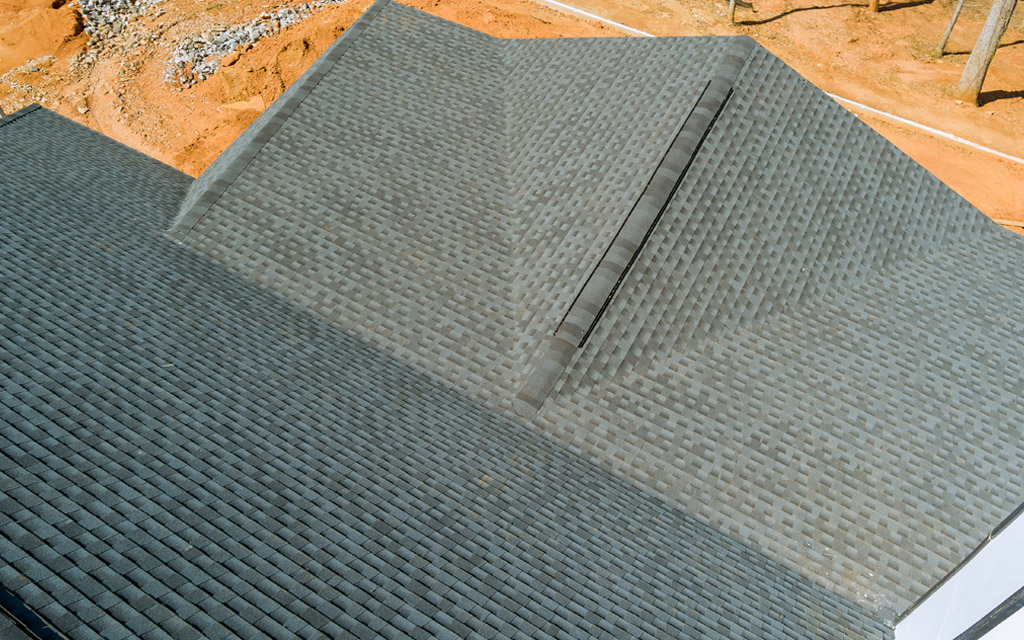
Severe weather events such as storms, heavy snowfall, or high winds can pose significant risks to roofs. Homeowners can take proactive measures to minimize potential damage during these events. One effective strategy is to ensure that trees near the home are trimmed regularly to prevent branches from falling onto the roof during storms.
Additionally, securing outdoor furniture and other items that could become projectiles in high winds is essential for protecting both the roof and surrounding structures. Before severe weather strikes, homeowners should also conduct thorough inspections of their roofs to identify any vulnerabilities. This includes checking for loose shingles or damaged flashing that could exacerbate leaks during heavy rain or snowmelt.
In areas prone to heavy snowfall, it may be beneficial to invest in snow removal services to prevent excessive weight on the roof that could lead to structural failure. By taking these precautions, homeowners can significantly reduce the risk of roof damage during severe weather events.
Regular roof cleaning offers numerous benefits beyond aesthetic appeal. Accumulated debris such as leaves, moss, and algae can trap moisture against the roofing material, leading to deterioration over time. By keeping roofs clean, homeowners can prevent these issues from developing and extend the lifespan of their roofing materials.
For instance, algae growth not only looks unsightly but can also cause shingles to deteriorate more quickly due to moisture retention. Additionally, regular cleaning helps maintain proper drainage by ensuring that gutters are free from blockages. This is particularly important in preventing water pooling on the roof surface during heavy rains.
Homeowners who invest in regular cleaning often find that they save money in the long run by avoiding costly repairs associated with neglecting their roofs. Furthermore, a clean roof contributes positively to energy efficiency by reflecting sunlight rather than absorbing heat, which can help reduce cooling costs during hot months.
To maximize the lifespan of a roof, homeowners should adopt long-term strategies that encompass both preventive measures and regular maintenance practices. One effective strategy is to choose high-quality roofing materials that are designed for durability and longevity. For example, metal roofs are known for their resilience against harsh weather conditions and can last up to 50 years with proper care.
Similarly, asphalt shingles with higher ratings for wind resistance may offer better protection against storms. In addition to selecting quality materials, establishing a routine maintenance schedule is crucial for long-term care. This includes regular inspections at least twice a year—preferably in spring and fall—to assess any wear or damage caused by seasonal changes.
Homeowners should also keep records of all maintenance activities and repairs performed on their roofs; this documentation can be invaluable when it comes time to sell the home or file insurance claims. Furthermore, investing in protective coatings or treatments designed for specific roofing materials can enhance durability against UV rays and moisture penetration. These coatings not only improve appearance but also provide an additional layer of protection against environmental factors that contribute to wear over time.
By implementing these long-term strategies, homeowners can ensure that their roofs remain functional and aesthetically pleasing for many years to come.