
When it comes to roofing materials, homeowners are presented with a plethora of options, each with its unique characteristics, advantages, and disadvantages. The most common types include asphalt shingles, metal roofing, wood shakes, clay tiles, and slate. Asphalt shingles are perhaps the most popular choice in North America due to their affordability and ease of installation.
They come in a variety of colors and styles, allowing homeowners to customize their roofs to match their home’s aesthetic. However, while they are cost-effective, their lifespan typically ranges from 15 to 30 years, depending on the quality and environmental conditions. Metal roofing has gained traction in recent years for its durability and energy efficiency.
Available in materials such as aluminum, steel, and copper, metal roofs can last upwards of 50 years or more with proper maintenance. They are particularly effective in shedding snow and rain, making them an excellent choice for areas with heavy precipitation. Additionally, metal roofs can reflect solar heat, which can lead to lower energy costs in warmer climates.
However, the initial investment for metal roofing can be significantly higher than that of asphalt shingles, which may deter some homeowners. Wood shakes and shingles offer a natural aesthetic that appeals to many homeowners seeking a rustic or traditional look. Made from cedar or other types of wood, these roofing materials can last around 30 years if properly maintained.
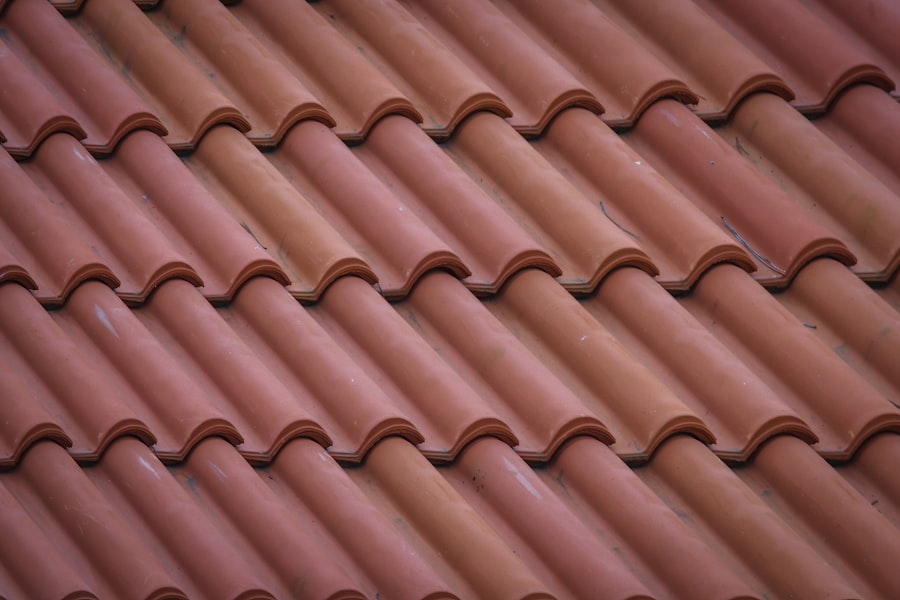
However, they require regular upkeep to prevent issues such as rot and insect infestation. Clay tiles are another option that provides a distinctive appearance, often associated with Mediterranean or Spanish-style architecture. They are incredibly durable and can last over 100 years, but their weight necessitates a strong underlying structure.
Slate roofing is the epitome of luxury and longevity, with a lifespan that can exceed 100 years. However, the cost and installation complexity make it less accessible for the average homeowner.
The climate in which a home is located plays a crucial role in determining the most suitable roofing material. For instance, in regions that experience heavy snowfall or ice accumulation, a steeply pitched roof made of metal or asphalt shingles may be ideal due to their ability to shed snow effectively. Conversely, flat roofs are more common in arid climates where rainfall is minimal.
In such areas, materials like modified bitumen or single-ply membranes are often used because they can withstand the intense sun without deteriorating quickly. In coastal regions where saltwater exposure is a concern, homeowners should consider materials that resist corrosion and rust. Metal roofing can be treated with special coatings to enhance its resistance to salty air.
Additionally, wood shakes may not be the best choice in these environments due to their susceptibility to moisture-related issues. On the other hand, clay tiles are naturally resistant to salt damage and can be an excellent option for homes near the ocean. Temperature fluctuations also impact roofing material performance.
In areas with extreme heat, reflective roofing materials can help reduce cooling costs by reflecting sunlight away from the home. Conversely, in colder climates, materials that provide good insulation can help retain heat during winter months. Understanding these climatic factors is essential for selecting a roofing material that will perform optimally throughout the year.
Budgeting for roofing materials and installation involves more than just considering the upfront costs of materials; it also requires an understanding of labor costs and potential long-term savings associated with different roofing options. Asphalt shingles are generally the most affordable option upfront, with installation costs being relatively low due to their widespread availability and ease of installation. However, homeowners should also consider the lifespan of the material when budgeting; while asphalt shingles may save money initially, they may require replacement sooner than more durable options.
Metal roofing presents a higher initial investment but can lead to significant savings over time due to its longevity and energy efficiency. Homeowners should factor in potential energy savings when evaluating the overall cost of metal roofing. Additionally, some manufacturers offer warranties that can extend up to 50 years, providing peace of mind regarding future expenses related to repairs or replacements.
When budgeting for roofing projects, it’s also essential to account for unexpected costs that may arise during installation. For example, if underlying structural issues are discovered during the removal of old roofing materials, additional expenses may be incurred for repairs. Homeowners should set aside a contingency fund—typically around 10-20% of the total project cost—to cover these unforeseen expenses.
The aesthetic appeal of a roof significantly influences a home’s overall curb appeal and value. Different roofing materials offer various styles and colors that can complement or enhance architectural features. For instance, asphalt shingles come in a wide range of colors and textures, allowing homeowners to achieve a customized look that suits their personal style.
They can mimic the appearance of more expensive materials like wood or slate without the associated costs. Metal roofing has evolved beyond its traditional industrial look; modern designs now include options that resemble shingles or tiles while providing the benefits of metal’s durability. This versatility allows homeowners to achieve a contemporary aesthetic while enjoying the practical advantages of metal roofing.
Additionally, metal roofs can be painted in various colors, offering further customization. Clay tiles provide a distinctive Mediterranean or Spanish flair that can elevate a home’s appearance significantly. Their natural earth tones blend well with many landscapes and architectural styles.
On the other hand, slate roofing exudes elegance and sophistication; its natural stone appearance adds a touch of luxury that is hard to replicate with other materials. However, homeowners should consider how these aesthetic choices align with their neighborhood’s architectural style to ensure cohesion within the community.
| Roofing Material | Average Lifespan (Years) | Cost Range | Durability | Energy Efficiency | Maintenance Requirements | Best Climate |
|---|---|---|---|---|---|---|
| Asphalt Shingles | 15-30 | Low to Medium | Moderate | Moderate | Low | Temperate |
| Metal Roofing | 40-70 | Medium to High | High | High | Low | All Climates |
| Clay Tiles | 50-100 | High | High | High | Low | Hot and Dry |
| Wood Shingles/Shakes | 20-40 | Medium | Moderate | Moderate | High | Dry Climates |
| Slate | 75-200 | High | Very High | High | Low | All Climates |
| Composite Roofing | 30-50 | Medium | High | Moderate | Low | All Climates |
Durability is one of the most critical factors when selecting roofing materials, as it directly impacts maintenance needs and replacement timelines. Asphalt shingles typically have a lifespan of 15-30 years but can be susceptible to damage from high winds or hailstorms. In contrast, metal roofing is renowned for its resilience; it can withstand extreme weather conditions such as heavy rain, snow loads, and high winds without significant wear.
Wood shakes offer a natural beauty but require diligent maintenance to ensure longevity. Without proper care—such as regular cleaning and treatment against pests—wood roofs may deteriorate more quickly than other materials. Clay tiles are incredibly durable; they can withstand harsh weather conditions and are resistant to rot and insect damage.
Their longevity often exceeds 100 years when properly installed and maintained. Slate roofing stands out as one of the most durable options available; its natural stone composition makes it impervious to many common roofing issues such as rot or insect damage. However, slate is heavy and requires careful installation by experienced professionals to ensure structural integrity over time.
Homeowners should weigh these durability factors against their specific environmental conditions and long-term plans for their property.
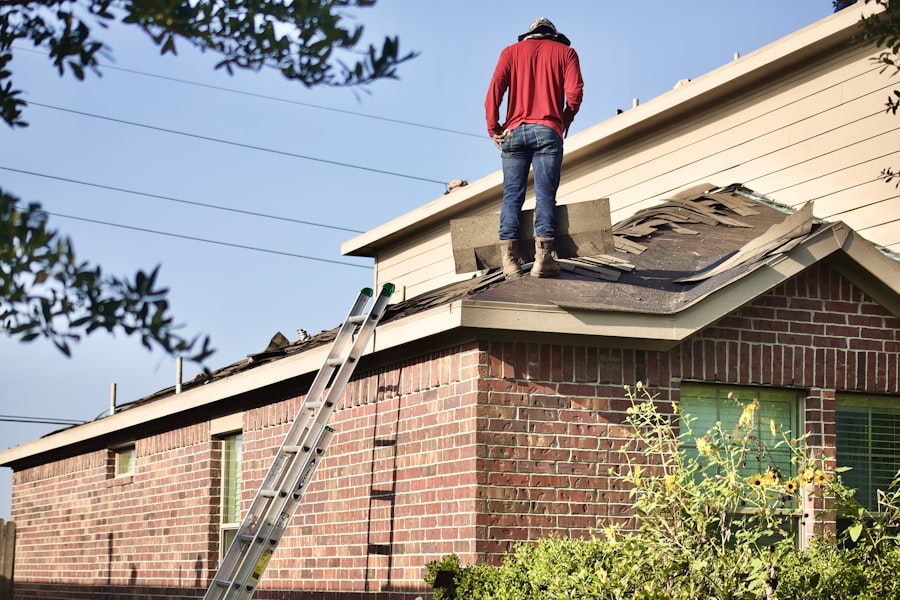
Maintenance requirements vary significantly among different roofing materials, impacting long-term ownership costs and efforts. Asphalt shingles require periodic inspections to check for curling or missing shingles after severe weather events. Regular cleaning of debris from gutters and valleys is essential to prevent water pooling and potential leaks.
Metal roofs are relatively low-maintenance but still require occasional inspections for rust or corrosion, especially in coastal areas where salt exposure is prevalent. Homeowners should also ensure that any fasteners remain secure over time to prevent leaks or wind damage. Wood shakes demand more attention than other materials due to their susceptibility to moisture-related issues such as rot or mold growth.
Regular treatments with preservatives can help extend their lifespan but require ongoing commitment from homeowners. Clay tiles generally require minimal maintenance; however, periodic inspections are necessary to identify any cracked tiles that may need replacement. Slate roofs are known for their longevity but can be costly to maintain if repairs are needed due to broken or missing slates.
Homeowners should engage professionals familiar with slate installation for any repairs to ensure proper handling of this delicate material.
Engaging a professional roofing contractor is an essential step in ensuring that homeowners make informed decisions regarding their roofing needs. A qualified contractor brings expertise in assessing specific requirements based on local building codes, climate considerations, and individual preferences. They can provide valuable insights into which materials will perform best under local conditions while also considering aesthetic preferences.
During consultations, contractors often conduct thorough inspections of existing roofs to identify any underlying issues that may affect new installations or repairs. This assessment helps homeowners understand potential challenges before committing to specific materials or designs. Additionally, reputable contractors will provide detailed estimates that outline labor costs alongside material expenses—allowing homeowners to budget effectively.
Moreover, professional contractors often have established relationships with suppliers, which can lead to better pricing on materials than what homeowners might find on their own. They also typically offer warranties on both labor and materials used in installations—providing additional peace of mind regarding future repairs or replacements.
Ultimately, making an informed decision about roofing requires careful consideration of various factors including material types, climate conditions, budget constraints, aesthetic preferences, durability expectations, maintenance requirements, and professional guidance from contractors. Homeowners should take time to research each option thoroughly while also seeking advice from trusted professionals who can provide tailored recommendations based on individual circumstances. By weighing all these elements thoughtfully—rather than rushing into decisions—homeowners can select roofing solutions that not only enhance their property’s value but also ensure long-term satisfaction with their investment.
Whether opting for traditional asphalt shingles or investing in high-end slate tiles, understanding each aspect will empower homeowners to make choices aligned with both their immediate needs and future aspirations for their homes.