
Regular roof maintenance is a critical aspect of homeownership that is often overlooked. A well-maintained roof not only enhances the aesthetic appeal of a home but also plays a vital role in protecting the structure from the elements. Over time, exposure to harsh weather conditions, such as rain, snow, and extreme temperatures, can lead to wear and tear.
This deterioration can result in leaks, mold growth, and even structural damage if not addressed promptly. By investing time and resources into regular maintenance, homeowners can extend the lifespan of their roofs and avoid costly repairs down the line. Moreover, regular maintenance can significantly improve energy efficiency.
A roof that is in good condition helps to regulate indoor temperatures, reducing the need for excessive heating or cooling. This can lead to lower energy bills and a more comfortable living environment. Additionally, many roofing materials come with warranties that require regular maintenance to remain valid.
Neglecting this aspect can void warranties, leaving homeowners vulnerable to unexpected repair costs. Therefore, establishing a routine maintenance schedule is not just beneficial; it is essential for safeguarding both the home and the homeowner’s investment.
Identifying signs of roof damage early can save homeowners from extensive repairs and financial strain. One of the most common indicators is the presence of missing or damaged shingles. Shingles that are cracked, curled, or completely absent expose the underlying layers of the roof to moisture, which can lead to leaks and further deterioration.
Homeowners should conduct regular visual inspections from the ground or a safe vantage point to check for these issues. Additionally, granule loss from asphalt shingles can be a sign of aging; if granules are found in gutters or on the ground, it may indicate that the shingles are nearing the end of their lifespan. Another significant sign of roof damage is water stains on ceilings or walls inside the home.
These stains often indicate that water is penetrating through the roof and into the living space, which can lead to mold growth and structural damage if not addressed promptly. Homeowners should also be vigilant for sagging areas on the roof itself, as this can indicate underlying structural issues. Furthermore, if there are visible signs of rust on metal roofing or excessive wear on flashing around chimneys and vents, these are clear indicators that professional intervention may be necessary.
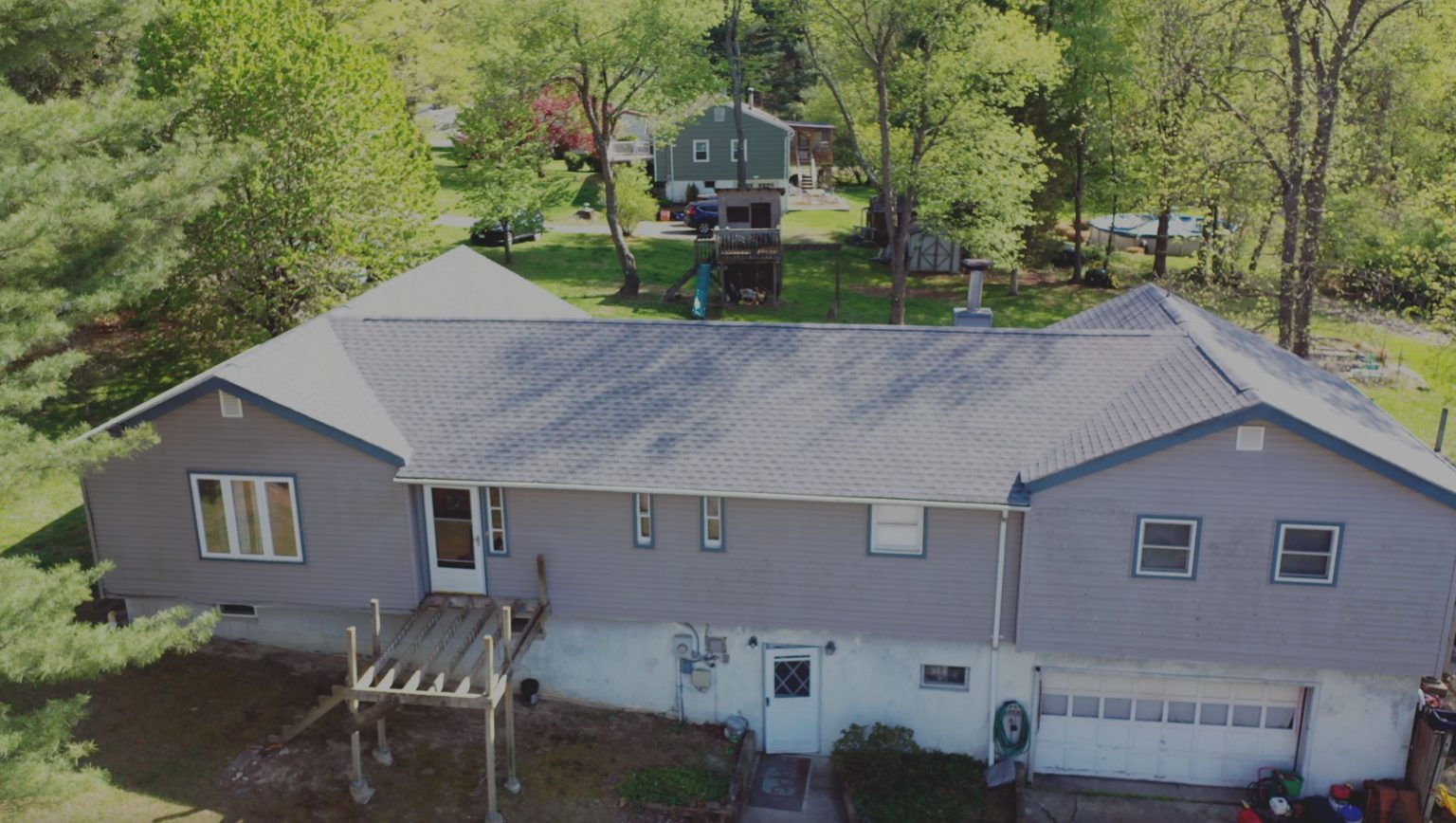
Homeowners can take several proactive steps to maintain their roofs without necessarily hiring professionals for every task. One effective DIY maintenance tip is to regularly clear debris from the roof surface. Leaves, branches, and other debris can trap moisture and promote mold growth if left unattended.
Using a soft-bristle broom or a leaf blower can help keep the roof clean without causing damage to shingles or other materials. It’s essential to ensure that any cleaning is done safely, ideally from a stable ladder or platform. Another important DIY task is inspecting and cleaning gutters and downspouts.
Clogged gutters can lead to water pooling on the roof, increasing the risk of leaks and structural damage. Homeowners should remove leaves and debris from gutters at least twice a year, particularly in the fall when leaves are most likely to accumulate. Additionally, checking downspouts for blockages ensures that water flows freely away from the foundation of the home.
Installing gutter guards can also be a worthwhile investment to minimize debris accumulation and reduce maintenance frequency.
While DIY maintenance can be effective for minor tasks, there are situations where hiring a professional roofing contractor is essential. Professionals bring expertise and experience that can be invaluable when dealing with complex roofing issues. For instance, if a homeowner notices significant sagging or extensive water damage, it’s crucial to consult with a licensed contractor who can assess the situation accurately and recommend appropriate solutions.
Professionals have access to specialized tools and materials that may not be readily available to homeowners. When selecting a roofing contractor, it’s important to conduct thorough research. Homeowners should look for contractors with positive reviews and testimonials, as well as those who are licensed and insured.
Obtaining multiple quotes can also help ensure that homeowners receive fair pricing for their roofing needs. Additionally, asking for references from previous clients can provide insight into the contractor’s reliability and quality of work. A reputable contractor will also offer warranties on their workmanship, providing peace of mind that any future issues will be addressed.
| Metric | Description | Recommended Frequency | Typical Cost Range | Importance Level |
|---|---|---|---|---|
| Roof Inspection | Visual and physical check for damage, leaks, and wear | Twice a year (Spring and Fall) | 100 – 300 | High |
| Gutter Cleaning | Removal of debris to prevent water backup and damage | 2-4 times per year | 70 – 200 | Medium |
| Shingle Replacement | Replacing damaged or missing shingles to maintain roof integrity | As needed | 150 – 500 | High |
| Moss and Algae Removal | Cleaning roof surface to prevent damage and staining | Annually | 100 – 300 | Medium |
| Flashing Repair | Fixing metal pieces around chimneys and vents to prevent leaks | As needed | 200 – 600 | High |
| Roof Coating | Applying protective coating to extend roof life | Every 3-5 years | 300 – 1000 | Medium |
| Debris Removal | Clearing leaves, branches, and other debris from roof surface | Quarterly | 50 – 150 | Low |
Cleaning gutters and downspouts is an essential part of roof maintenance that requires careful attention to detail. To begin with, homeowners should gather necessary tools such as gloves, a sturdy ladder, a trowel or scoop for removing debris, and a hose for flushing out any remaining dirt or clogs. It’s advisable to wear protective eyewear and ensure that the ladder is placed on stable ground to prevent accidents during cleaning.
Once positioned safely, homeowners should remove all debris from the gutters using their hands or a scoop. After clearing out larger items like leaves and twigs, it’s important to flush the gutters with water using a hose to ensure that they are free of smaller particles and clogs. Homeowners should also check downspouts by running water through them; if water does not flow freely, it may indicate a blockage that needs further attention.
In such cases, using a plumber’s snake or a high-pressure nozzle can help dislodge stubborn clogs. Regular cleaning every six months or after severe storms will help maintain proper drainage and protect the roof from water damage.
Different roofing materials come with unique maintenance requirements that homeowners should understand to ensure longevity and performance. Asphalt shingles are among the most common roofing materials due to their affordability and ease of installation. However, they require regular inspections for curling or cracking, especially after severe weather events.
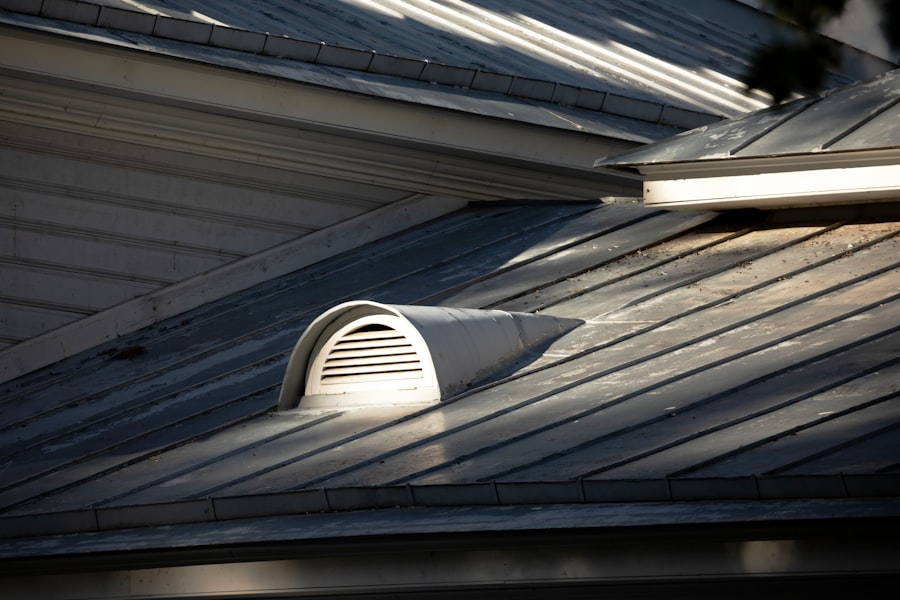
Cleaning off debris and moss growth is also essential for maintaining their integrity. Metal roofs are known for their durability but require specific care as well. Homeowners should inspect seams and fasteners regularly to prevent rusting or loosening over time.
Additionally, while metal roofs are generally low-maintenance, they may require periodic cleaning to remove dirt and prevent corrosion. On the other hand, tile roofs offer aesthetic appeal but can be more fragile; homeowners should avoid walking on them unless necessary and should inspect for broken tiles regularly.
Roof flashing plays a crucial role in directing water away from critical areas such as chimneys, vents, and valleys where two roof planes meet. Inspecting flashing regularly is vital because damaged or improperly installed flashing can lead to leaks and water intrusion. Homeowners should look for signs of rust on metal flashing or cracks in caulking around joints; these issues often indicate that repairs are needed.
When repairing flashing, it’s essential to use appropriate materials that match the existing flashing type—whether it’s metal or rubberized flashing tape. For minor repairs, homeowners can apply new caulk around joints or replace small sections of flashing as needed. However, if extensive damage is present or if flashing needs to be replaced entirely, consulting with a professional roofing contractor is advisable to ensure proper installation and prevent future issues.
Establishing a roof maintenance schedule is an effective way for homeowners to stay proactive about their roofing needs. A well-structured schedule should include seasonal inspections—ideally in spring and fall—when weather conditions are typically milder. During these inspections, homeowners should check for visible signs of damage, clean gutters, and remove debris from the roof surface.
In addition to seasonal checks, homeowners should also plan for more comprehensive inspections every few years or after significant weather events such as heavy storms or hail. Keeping detailed records of maintenance activities can help track any recurring issues and inform future decisions regarding repairs or replacements. By adhering to a consistent maintenance schedule, homeowners can significantly extend the life of their roofs while ensuring their homes remain safe and secure against the elements.