
Roofing warranties serve as a critical safety net for homeowners, providing assurance that their investment in a new roof is protected against defects and premature failure. A roof is one of the most significant components of a home, safeguarding it from the elements and contributing to its overall structural integrity. Given the substantial financial commitment involved in roofing projects, warranties become essential in mitigating risks associated with unforeseen issues.
They not only cover material defects but can also extend to workmanship, ensuring that homeowners are not left to bear the financial burden of repairs or replacements due to issues that arise from faulty materials or poor installation. Moreover, roofing warranties can enhance peace of mind for homeowners. Knowing that there is a safety net in place allows homeowners to focus on other aspects of home maintenance without the constant worry of potential roofing problems.
This sense of security is particularly important in regions prone to severe weather conditions, where roofs are subjected to extreme stress. A robust warranty can provide homeowners with the confidence that they are protected against the unpredictable nature of weather-related damage, thus reinforcing the importance of understanding and selecting the right warranty for their specific needs.
Roofing warranties generally fall into two primary categories: manufacturer warranties and workmanship warranties. Manufacturer warranties cover defects in the roofing materials themselves, such as shingles, underlayment, and flashing. These warranties typically vary in length, with some lasting as little as five years while others can extend up to 50 years or more, depending on the quality and type of materials used.
For instance, high-end materials like slate or metal roofs often come with longer warranties due to their durability and resistance to wear and tear. Workmanship warranties, on the other hand, cover the installation process itself. These warranties are crucial because even the best materials can fail if not installed correctly.
Workmanship warranties can range from one year to a lifetime, depending on the contractor’s policies and reputation. A reputable roofing contractor will often provide a workmanship warranty that guarantees their installation practices meet industry standards. This distinction between material and workmanship warranties is vital for homeowners to understand, as it influences their overall protection and potential costs associated with future repairs.
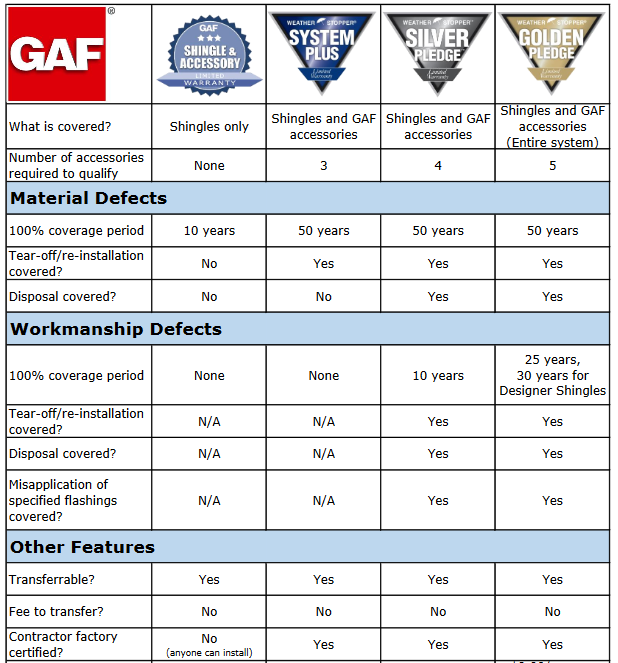
When evaluating roofing warranties, homeowners should pay close attention to several key factors that can significantly impact their coverage. First and foremost, it is essential to examine the duration of the warranty. A longer warranty period often indicates greater confidence in the product’s durability and performance.
Homeowners should also consider whether the warranty is prorated or non-prorated. A prorated warranty means that coverage decreases over time, which can lead to substantial out-of-pocket expenses if a claim is made later in the warranty period. In contrast, a non-prorated warranty offers full coverage throughout its duration, providing better protection against unexpected costs.
Another critical aspect to consider is the specific terms and conditions outlined in the warranty. Homeowners should look for any exclusions or limitations that may affect their ability to file a claim. For example, some warranties may not cover damage caused by extreme weather events or improper maintenance practices.
Additionally, it is essential to verify whether the warranty is transferable if the homeowner decides to sell the property. A transferable warranty can enhance the home’s resale value by providing future buyers with added assurance regarding the roof’s condition.
Roofing warranties play a pivotal role in protecting homeowners from financial loss due to unexpected roofing issues. When a roof fails prematurely due to material defects or poor installation, homeowners can face significant repair or replacement costs. A comprehensive warranty can alleviate these financial burdens by covering repairs or even full replacements under specific circumstances.
For instance, if a homeowner discovers that their shingles are curling or cracking within a few years of installation due to manufacturing defects, a solid warranty would allow them to seek recourse without incurring substantial expenses. Additionally, roofing warranties often include provisions for labor costs associated with repairs or replacements. This aspect is particularly important because labor can account for a significant portion of roofing expenses.
Homeowners should ensure that their warranty explicitly covers labor costs related to any necessary repairs or replacements resulting from covered issues. This protection not only saves money but also provides peace of mind knowing that they will not be left to navigate complex repair processes alone.
| Metric | Description | Importance | Typical Duration |
|---|---|---|---|
| Warranty Coverage | Scope of protection against defects and workmanship issues | Ensures repairs or replacements are covered, reducing unexpected costs | 10-50 years depending on manufacturer and installer |
| Manufacturer Warranty | Guarantee from the roofing material manufacturer | Protects against material defects and premature failure | 20-50 years |
| Workmanship Warranty | Coverage provided by the roofing contractor for installation quality | Ensures proper installation and reduces risk of leaks or damage | 1-10 years |
| Cost Savings | Potential savings from covered repairs or replacements | Minimizes out-of-pocket expenses for roof issues | Varies based on warranty terms |
| Home Value Impact | Effect of warranty on property resale value | Increases buyer confidence and can enhance home value | Warranty duration |
| Transferability | Ability to transfer warranty to new homeowners | Enhances home marketability and buyer assurance | Varies, often limited to initial years |
The presence of a robust roofing warranty can significantly influence a home’s market value. Prospective buyers often view warranties as indicators of quality and reliability, making homes with transferable warranties more attractive in competitive real estate markets. A well-documented warranty can serve as a selling point during negotiations, providing potential buyers with confidence that they are making a sound investment.
In contrast, homes without warranties may raise red flags for buyers who are concerned about potential future expenses related to roofing issues. Furthermore, having an active warranty can expedite the selling process by reducing buyer hesitations. Buyers are more likely to feel secure in their purchase when they know that they have recourse should any roofing problems arise shortly after taking ownership.
This added layer of protection can lead to quicker sales and potentially higher offers, making it essential for homeowners to consider how their roofing warranty may impact their property’s overall value.
Despite their importance, several misconceptions about roofing warranties persist among homeowners. One common myth is that all roofing warranties are created equal; however, this is far from the truth. The quality and extent of coverage can vary significantly between different manufacturers and contractors.
Homeowners may mistakenly believe that a longer warranty automatically equates to better protection when, in reality, it is crucial to scrutinize the specific terms and conditions associated with each warranty. Another prevalent misconception is that roofing warranties cover all types of damage indefinitely. In reality, most warranties have specific exclusions and limitations that homeowners must understand fully.
For example, many warranties do not cover damage caused by natural disasters such as hurricanes or tornadoes, which can lead to confusion when claims are denied due to these exclusions. Homeowners should take the time to read and comprehend their warranty documents thoroughly to avoid misunderstandings about what is covered and what is not.
To maximize the benefits of a roofing warranty, homeowners should take proactive steps throughout the life of their roof. Regular maintenance is crucial; many warranties require homeowners to perform routine inspections and upkeep to remain valid. This may include cleaning gutters, removing debris from the roof surface, and checking for signs of wear or damage.
By staying vigilant and addressing minor issues before they escalate into significant problems, homeowners can help ensure that their warranty remains intact. Additionally, maintaining thorough documentation is essential when it comes time to file a claim. Homeowners should keep records of all maintenance performed on their roofs, including receipts for materials and services rendered.
This documentation serves as evidence that they have adhered to the warranty’s requirements and can strengthen their case if they need to file a claim for repairs or replacements.
The quality of installation plays a crucial role in determining whether a roofing warranty remains valid and effective. Many manufacturers stipulate that their products must be installed by certified professionals to qualify for warranty coverage. This requirement underscores the importance of hiring reputable contractors who have experience with specific roofing materials and systems.
Poor installation practices can lead to premature roof failure, which may void any existing warranties. Homeowners should conduct thorough research when selecting a roofing contractor, looking for credentials such as licenses, insurance coverage, and positive customer reviews. Additionally, asking for references from previous clients can provide valuable insights into a contractor’s workmanship quality and reliability.
By investing time in finding a qualified professional for installation, homeowners can significantly enhance their chances of enjoying the full benefits of their roofing warranty while ensuring their roof performs optimally over its lifespan.