
Regular roof maintenance is a critical aspect of homeownership that often goes overlooked. A well-maintained roof not only enhances the aesthetic appeal of a home but also plays a vital role in protecting the structure from the elements. Roofs are the first line of defense against rain, snow, wind, and extreme temperatures.
Over time, exposure to these elements can lead to wear and tear, which can compromise the integrity of the roof. By investing time and resources into regular maintenance, homeowners can extend the lifespan of their roofs, ultimately saving money on costly repairs or premature replacements. Moreover, regular maintenance can help identify potential issues before they escalate into significant problems.
For instance, small leaks or minor damage can often be repaired easily and inexpensively if caught early. Conversely, neglecting these issues can lead to extensive water damage, mold growth, and structural problems that require extensive repairs. Regular inspections and maintenance not only safeguard the roof but also contribute to the overall health of the home, ensuring that it remains a safe and comfortable environment for its occupants.
Recognizing the signs of roof damage is essential for timely intervention and repair. Homeowners should be vigilant for various indicators that may suggest their roof is in distress. One of the most common signs is the presence of missing or damaged shingles.
Shingles that are cracked, curled, or completely missing can expose the underlying layers of the roof to moisture, leading to leaks and further deterioration. Additionally, homeowners should inspect for granule loss on asphalt shingles, as this can indicate that the shingles are nearing the end of their lifespan. Another critical sign of roof damage is water stains on ceilings or walls inside the home.
These stains often indicate that water is penetrating through the roof and into the living space below. Homeowners should also check for sagging areas on the roof itself, which can suggest structural issues or accumulated water. Furthermore, if there is an increase in energy bills, it may be a sign that the roof is not providing adequate insulation or ventilation, leading to higher heating and cooling costs.
Regularly inspecting for these signs can help homeowners address issues promptly and maintain the integrity of their roofs.
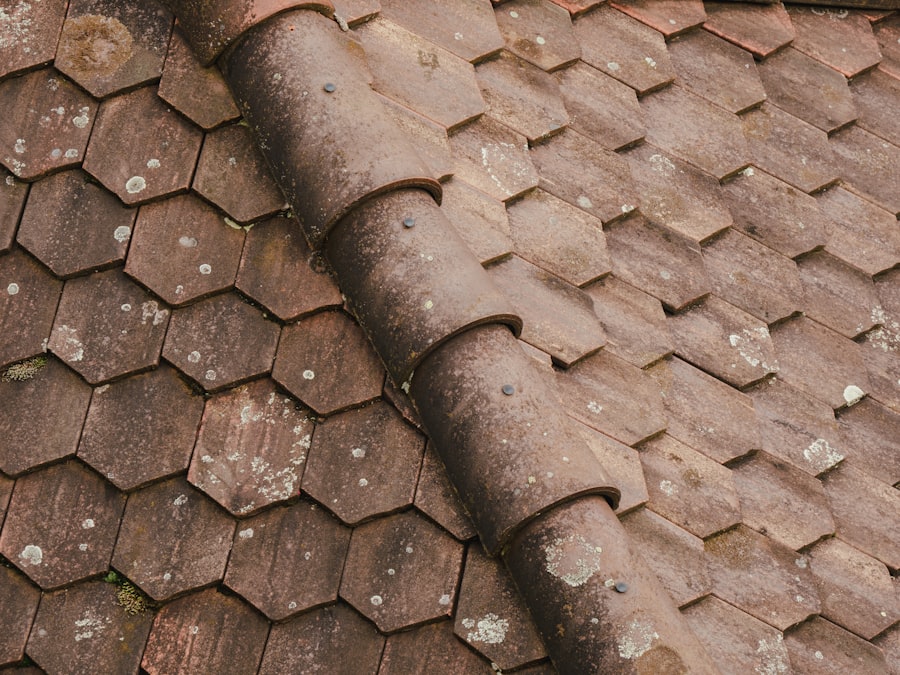
Homeowners can take several proactive steps to maintain their roofs without necessarily hiring a professional. One of the most effective DIY maintenance tasks is regular cleaning of the roof surface. This involves removing debris such as leaves, branches, and dirt that can accumulate over time.
Not only does this debris trap moisture, but it can also lead to mold growth and deterioration of roofing materials. Using a soft-bristle broom or a leaf blower can help keep the roof clean without causing damage. Another important DIY tip is to inspect and maintain flashing around chimneys, vents, and skylights.
Flashing is designed to direct water away from these vulnerable areas, but it can become loose or damaged over time. Homeowners should check for any gaps or cracks in the flashing and apply roofing cement or sealant as needed to ensure a watertight seal. Additionally, trimming overhanging branches can prevent them from scratching or damaging the roof surface while also reducing the amount of debris that falls onto it.
While DIY maintenance can be beneficial, there are instances when hiring a professional roofer is essential. Professional roofers possess the expertise and experience necessary to identify issues that may not be apparent to an untrained eye. They are equipped with specialized tools and safety gear that allow them to perform inspections and repairs safely and effectively.
When selecting a roofing contractor, homeowners should look for licensed and insured professionals with positive reviews and a solid reputation in their community. A professional roofer can provide comprehensive services beyond simple repairs. They can conduct thorough inspections to assess the overall condition of the roof, identify potential problems, and recommend appropriate solutions.
Additionally, they can offer guidance on materials and techniques that may enhance the longevity and performance of the roof. Engaging a professional not only ensures that repairs are done correctly but also provides peace of mind knowing that the work is backed by warranties and guarantees.
| Metric | Description | Recommended Frequency | Typical Cost Range | Importance Level |
|---|---|---|---|---|
| Inspection | Visual check for damage, leaks, and wear | Twice a year (Spring and Fall) | 50 – 150 | High |
| Cleaning Gutters | Removal of debris to prevent water damage | 2-4 times per year | 75 – 200 | High |
| Shingle Replacement | Replacing damaged or missing shingles | As needed | 150 – 500 | Medium |
| Sealant Application | Applying sealant to prevent leaks | Every 3-5 years | 100 – 300 | Medium |
| Moss and Algae Removal | Cleaning roof surface to prevent damage | Annually | 100 – 250 | Medium |
| Flashing Repair | Fixing metal flashing to prevent leaks | As needed | 100 – 400 | High |
| Roof Ventilation Check | Ensuring proper airflow to extend roof life | Annually | 50 – 150 | Medium |
Homeowners often make several common mistakes when it comes to roof maintenance that can lead to costly consequences. One prevalent error is neglecting regular inspections. Many homeowners assume that if there are no visible signs of damage, their roofs are in good condition.
However, many issues develop slowly over time and may not be immediately noticeable. Establishing a routine inspection schedule—ideally twice a year—can help catch problems early before they escalate. Another mistake is using improper cleaning methods.
Some homeowners may attempt to pressure wash their roofs in an effort to remove dirt and debris quickly. However, this method can strip away protective granules from shingles and cause damage to roofing materials. Instead, using gentler cleaning methods or hiring professionals who understand proper techniques is advisable.
Additionally, failing to address minor repairs promptly can lead to more significant issues down the line; what starts as a small leak can quickly turn into extensive water damage if left unattended.
Gutters play an integral role in maintaining the health of a roof by directing water away from its surface and preventing water accumulation that could lead to leaks or structural damage. Clogged gutters can cause water to overflow onto the roof itself, leading to potential rot and deterioration of roofing materials. Regularly cleaning gutters is essential to ensure they function correctly; this typically involves removing leaves, twigs, and other debris that may obstruct water flow.
In addition to cleaning gutters, homeowners should also inspect downspouts for blockages and ensure they direct water at least six feet away from the foundation of the home. This helps prevent water pooling around the base of the house, which can lead to foundation issues over time. Installing gutter guards can also be an effective way to minimize debris accumulation while still allowing water to flow freely through the system.
Regular roof inspections offer numerous benefits that extend beyond simply identifying existing problems. One significant advantage is that they provide an opportunity for proactive maintenance, allowing homeowners to address minor issues before they develop into major repairs. This proactive approach not only saves money but also extends the lifespan of the roof itself.
Additionally, routine inspections can enhance energy efficiency by identifying areas where insulation or ventilation may be lacking. A well-insulated roof helps regulate indoor temperatures, reducing reliance on heating and cooling systems and ultimately lowering energy bills. Furthermore, regular inspections contribute to maintaining property value; potential buyers are often more attracted to homes with well-maintained roofs, as they signify less risk for future repairs.
Neglecting roof maintenance can have severe long-term consequences that affect both the structure of the home and its occupants’ well-being. One of the most immediate effects is water damage; leaks that go unnoticed can lead to mold growth within walls and ceilings, posing health risks to residents. Mold remediation can be costly and time-consuming, often requiring extensive repairs beyond just fixing the roof.
In addition to health concerns, neglecting maintenance can lead to significant financial burdens down the line. A compromised roof may require complete replacement rather than simple repairs if issues are allowed to fester over time. This not only incurs higher costs but also disrupts daily life during construction periods.
Furthermore, insurance companies may deny claims related to damage caused by neglecting maintenance responsibilities, leaving homeowners financially vulnerable in times of crisis. In summary, regular roof maintenance is essential for preserving both the integrity of a home and its occupants’ safety. By recognizing signs of damage early on, engaging in proactive DIY maintenance tasks, hiring professionals when necessary, avoiding common mistakes, understanding gutter roles, conducting regular inspections, and acknowledging long-term consequences of neglecting care, homeowners can ensure their roofs remain in optimal condition for years to come.